 CimpactPRO Partner
Türkçeye Geç
CimpactPRO Partner
Türkçeye Geç
 Danışma Hattı
0 (850) 346 33 11
Danışma Hattı
0 (850) 346 33 11
 CimpactPro CORP
Corporate Carbon Footprint Calculation and Reporting Software.
CimpactPro CBAM
Border Carbon Regulatory Mechanism (CCRM) Declaration Software.
CimpactPro ESG
Sustainability / ESG Reporting and Management Software. (GRI)
CimpactPro CITY
Emissions Management and Reporting Software for Cities and Municipalities (GPC)
CimpactPro is a sustainability software family that covers all sectors with its modular structure developed by taking into account the specific needs of different sectors.
Explore All Sectors


With our mentoring, training and research-analysis packages, we build your capacity, finalize processes together and link your decisions to data-based, measurable results.
All Services
Accelerate standards compliance with weekly/monthly coaching and increase your teams' success in error-free implementation and on-time delivery.
Get Detailed Information
With hands-on sessions, it adapts standards and regulations to your corporate data; makes competence permanent and enables rapid implementation.
Get Detailed Information
Green maturity, awareness and GAP measurements link decisions to data and clarify the priority roadmap and KPIs.
Get Detailed InformationFrom technical guides to expert opinions, from analysis of current legislation to software support tools, CimpactPro Resources library has all the information you need to take firm steps towards your sustainability goals.









Kozyatağı Mah. İbrahim Ağa Sk. Som Plaza Kat:5 Kadıköy/İstanbul/TÜRKİYE
What is Carbon Density?
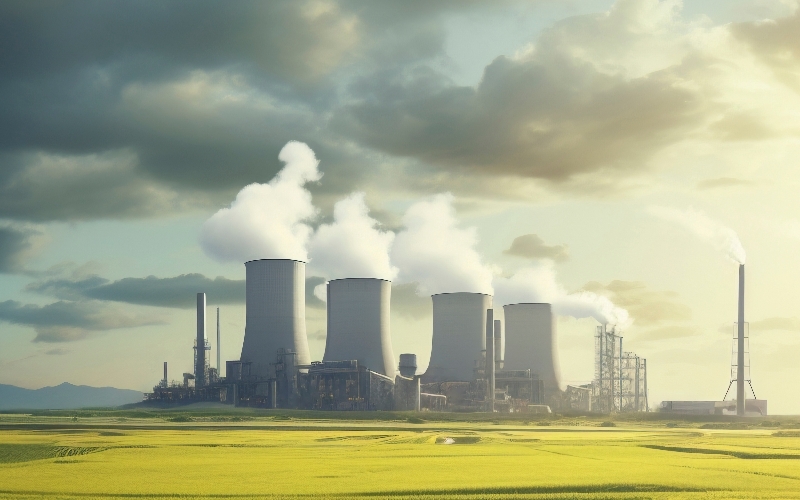








Carbon Intensity: Measurement, Sectoral Utilization and Remediation Methods
In the context of corporate sustainability and combating climate change, carbon intensity is a critical metric that measures the environmental efficiency of an organization or production process. Carbon intensity focuses not only on the total amount of emissions, but also on how much of these emissions are generated per unit of economic output or product produced.
This concept enables companies to understand how they manage their environmental impact as they grow and aims to transition to a low carbon intensive operational structure.
Note
As your resources focus on corporate sustainability and emissions management, they do not include technical data on carbon fiber density, a materials science term. The following information covers the concept of density in the context of emissions management.
What Exactly Does Carbon Intensity Mean?
Carbon intensity is the ratio of a company's total greenhouse gas emissions (CO₂e) divided by a given economic or physical unit. This metric is different from absolute emissions; a decrease in intensity, even if production volume increases, indicates that the company is operating more efficiently.
How is Carbon Intensity Calculated?
The general formula is as follows:
- Physical Intensity: Total Emissions (tCO₂e) / Unit of Production (tons, units, etc.).
- Economic Intensity: Total Emissions (tCO₂e) / Revenue.
This calculation allows companies to link their emissions performance to their financial outputs. For example, tracking the amount of carbon per unit of revenue links environmental efficiency to financial output. In addition, this method allows companies to benchmark against their peers by accounting for fluctuations in production.
Which Sectors Measure Carbon Intensity?
Carbon intensity has become a standard benchmarking tool, especially in sectors with high carbon emissions and increasing regulatory pressures. International standards and regulations (e.g. SDCC/CBAM) require certain sectors to report their embedded emissions per product (Specific Embedded Emissions - SEE).
According to sources, the sectors where intensity measurement is common and the units used are as follows:
Automotive: Grams CO₂ per kilometer (gCO₂/km) for fleet emissions.
Electricity Generation: Emissions per energy produced (CO₂/MWh).
Aviation: Emissions per passenger and kilometer (CO₂/passenger-km).
Cement and Iron and Steel (CBAM Sectors): Tonnes of CO₂e per tonne of product produced.
Chemical Industry: Density of hazardous waste or concentration of air pollutants.
By achieving low carbon intensity, companies in these sectors aim to both avoid regulatory costs (such as carbon taxes) and gain a competitive advantage with investors.
How to Reduce Carbon Intensity?
Companies' carbon intensity reduction methods focus on increasing operational efficiency and transforming energy sources. The goal is to decouple economic growth from environmental degradation (decoupling).
The main strategies pursued to achieve this goal are as follows:
- Energy Efficiency and Renewable Energy: Reducing total energy consumption and shifting the energy used from fossil fuels to renewable sources (solar, wind, etc.) directly reduces intensity. For example, Google has managed its carbon footprint with renewable energy investments despite the growth of its data centers.
- Circular Economy Practices: using recycled raw materials instead of the "take-make-dispose" model and bringing waste back into production. Using recycled materials has a much lower emissions intensity than raw material extraction. Examples include Michelin's tire leasing model or Apple's use of recycled aluminum.
- Process Innovation and Technology: Making production processes less resource intensive. For example, using alternative fuels in cement production or switching to electric vehicle technology in automotive.
- Chain of Caution Management (Scope 3): Demanding low-carbon inputs from suppliers. An example is a food company promoting sustainable agricultural practices to reduce the carbon footprint of its agricultural raw materials.
- Use of Financial Instruments: Incentivizing investments in low-carbon technologies by using an "internal carbon price" in investment decisions.
Applying these methods not only enables companies to achieve their environmental goals, but also contributes to their financial sustainability by reducing energy and raw material costs.