 CimpactPRO Partner
Türkçeye Geç
CimpactPRO Partner
Türkçeye Geç
 Danışma Hattı
0 (850) 346 33 11
Danışma Hattı
0 (850) 346 33 11
 CimpactPro CORP
Corporate Carbon Footprint Calculation and Reporting Software.
CimpactPro CBAM
Border Carbon Regulatory Mechanism (CCRM) Declaration Software.
CimpactPro ESG
Sustainability / ESG Reporting and Management Software. (GRI)
CimpactPro CITY
Emissions Management and Reporting Software for Cities and Municipalities (GPC)
CimpactPro is a sustainability software family that covers all sectors with its modular structure developed by taking into account the specific needs of different sectors.
Explore All Sectors


With our mentoring, training and research-analysis packages, we build your capacity, finalize processes together and link your decisions to data-based, measurable results.
All Services
Accelerate standards compliance with weekly/monthly coaching and increase your teams' success in error-free implementation and on-time delivery.
Get Detailed Information
With hands-on sessions, it adapts standards and regulations to your corporate data; makes competence permanent and enables rapid implementation.
Get Detailed Information
Green maturity, awareness and GAP measurements link decisions to data and clarify the priority roadmap and KPIs.
Get Detailed InformationFrom technical guides to expert opinions, from analysis of current legislation to software support tools, CimpactPro Resources library has all the information you need to take firm steps towards your sustainability goals.









Kozyatağı Mah. İbrahim Ağa Sk. Som Plaza Kat:5 Kadıköy/İstanbul/TÜRKİYE
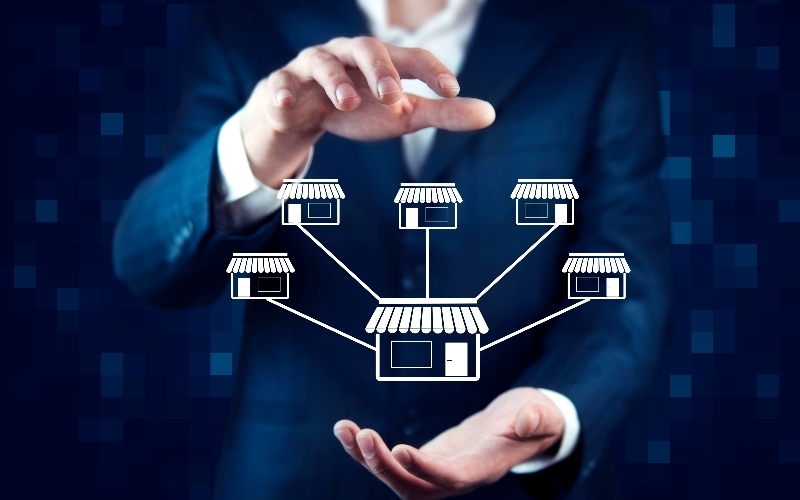








SME Impact on Sustainability
When we think of sustainability, giant factories, global conglomerates and multi-million dollar "green" budgets often come to mind. For small and medium-sized enterprises (SMEs), it is often perceived as a "not yet time" or "luxury" investment. However, this perception is in stark contrast to today's economic realities.
The concept of sustainability has become a valid and increasingly mandatory approach for businesses of all sizes, not just large corporations. So, why can an SME not be indifferent to this transformation and how can it take advantage of this process?
1. Becoming an Indispensable Link in the Global Chain
SMEs are an integral part of global value chains, placing them at the very center of sustainability requirements.
Today, almost all large companies have to look not only up their own chimneys but also to their suppliers in order to achieve their own "Net Zero" targets. These companies regularly request carbon footprint, energy consumption and waste management data from their suppliers in order to manage their Scope 3 (value chain) emissions.
A Commercial Condition: This moves sustainability from being a voluntary endeavor for SMEs to one of the key conditions for doing business with major players. An SME that cannot provide data becomes a "risky supplier", no matter how favorable the price.
2. Speed and Efficiency: The "Speedboat" Advantage of SMEs
Large companies are like ocean tankers; they take time to change course. SMEs are speedboats; they can make decisions quickly and transform their operations easily.
Sustainability creates a significant competitive advantage for small businesses. Practices such as energy efficiency, resource optimization and waste reduction directly reduce costs and increase profitability for small businesses working with limited resources. SMEs that adapt early gain a cost advantage over cumbersome competitors and become a preferred business partner for both local and international customers.
3. The "Shadow" Effect of Regulations
An SME owner might say, "Carbon tax is none of my business". However, this is not the reality. European Union laws such as the CSRD (Corporate Sustainability Reporting Directive) and CBAM (Border Carbon Arrangement) oblige large companies to collect data from their SME suppliers.
So even if an SME is not under a direct legal obligation, it is de facto obliged to report on sustainability due to customer demands.
4. Access to Finance: The Green Credit Opportunity
Every SME that wants to grow needs financing. Banks and financial institutions now look not only at the balance sheet but also at ESG (Environmental, Social, Governance) risks when granting loans.
SMEs that comply with sustainability criteria;
Green loans with lower interest rates,
Sustainability grants,
International funds
easier access to finance. ESG performance increases the growth potential of the business by facilitating access to finance.
5. Brand Equity and Talent Magnet
Consumers now look not only at the product, but also at the ethical values of the company behind that product and its contribution to society. By adopting a sustainability approach, a small business can differentiate itself in the local market as a "responsive brand" and build a loyal customer base. It is also much easier for SMEs to attract young talent who want to work for a company with a purpose.
6. Digital Solution for SMEs with CimpactPro
The biggest concern of SMEs is "We don't have sustainability teams, how will we collect this data?". This is where digital solutions like CimpactPro come into play.
Without the need for complex Excel spreadsheets and large consulting budgets;
Automated collection of energy and carbon data,
Producing reports in the format required by customers (large companies),
Easy management of supplier compliance surveys
provides. In this way, SMEs can easily manage sustainability as part of digitalization, not as an "operational burden".
Conclusion
Sustainability is no longer an agenda item monopolized by giants. It is a fundamental condition for competition, adaptation and growth for all businesses - small, medium and large. For SMEs, this transformation is both a necessity and the most strategic investment that secures their future.